Module 6: Sales and direct bookings · Lesson 39 of 79 · 5:41 · English
Upselling and cross-selling at the desk, restaurant and on the phone
Join the waiting list
Log in
Free. We create your login and email it to you. All 79 lessons included.
What you will learn
In this lesson you learn to tell upselling from cross-selling, pick the right moment (booking call, check-in, during the stay, the day before departure), confirm the guest's choice before offering more, describe the benefit and quote only the difference, offer choices, read the guest, use suggestive selling in the restaurant, stay within authority, and post every extra to the bill at once. Builds on tr11 lines 14-15 and tr32 line 9.
Transcript
0:00
Welcome to the hotel operations course. In this video you will learn upselling and cross-selling: how to offer the guest something better at the front desk, in the restaurant and on the phone, without any pressure at all.
0:15
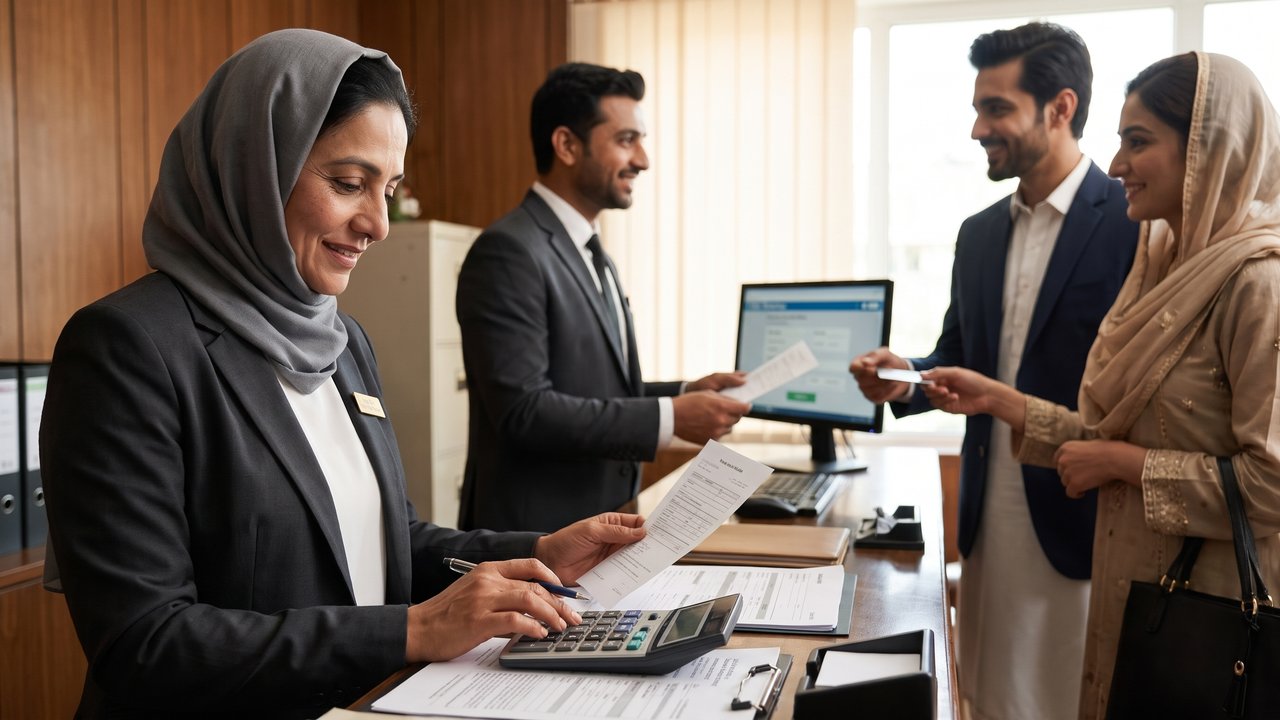
Upselling means offering a better version of what the guest is already buying, such as a Deluxe room instead of a Standard. Cross-selling means adding something else alongside, such as breakfast, an airport drop or dinner.
0:31
Small things add up. For example, if five guests a day take an upgrade worth 3,000 rupees, that is 15,000 rupees a day, and about 450,000 rupees of extra revenue in a single month.
0:45
Timing matters. There are five good moments: on the booking call, in the message before arrival, at check-in, during the stay, and the day before departure. Each moment suits a different kind of offer.
0:59
At check-in, first praise the guest's booking: your room is ready, and it is a very good choice. Only then make your offer. Never let the guest feel that the room they booked is a poor one.
1:12
Describe the features clearly: the Deluxe room has a city view, a bigger bathroom and a work desk. Then quote only the difference: just 3,000 rupees more per night. Repeating the full rate makes the offer sound expensive.
1:28
Instead of a yes or no question, give a choice: would you prefer the Deluxe with the view, or the larger family room? Also say that the current room is completely ready. The decision belongs to the guest.
1:43
Read the guest. Offer a couple celebrating a birthday a cake or room decoration, a family with children a bigger room or an extra bed, and a business guest a quiet room, fast Wi-Fi and express laundry.
1:58
When a guest arrives early and the room is not ready yet, that is a good moment: a Deluxe room is ready right now, and for a small difference you can rest immediately. The guest's wait ends, and the hotel earns.
2:12
Never quote a walk-in guest only the lowest rate. Start from the top, describe two or three room types with their features and the price difference, and let the guest choose. Given options, guests often pick the middle or the better room.
2:28
As soon as the guest agrees, change the room type and the rate on the booking in the PMS, so the folio shows the right amount. A verbal promise with the old rate still in the PMS causes an argument at check-out.
2:42
Cross-sell at check-in as well: if breakfast is not included, mention it, along with the airport drop, laundry and today's special dish in the restaurant. One or two items are enough; do not read out the whole list.
2:58
The day before departure, ask the guest: what time is your flight tomorrow? If it is late, offer a late check-out according to the hotel's policy, and state the charge clearly before the guest decides.
3:13
In the restaurant, avoid yes or no questions such as: anything to drink? Give a choice instead: shall I bring you a fresh lime, or a mint lemonade? It is easier for the guest, and the sale grows.
3:28
Suggest things that go together: fresh naan and raita with the BBQ platter, green tea or coffee with dessert after the meal. Name the chef's special dish, and make sure you have tasted it yourself.
3:41
Upselling also happens when you take a booking on the phone: a rate with breakfast, an airport pickup, or a package for a special occasion. The third-night offer you saw in the occupancy video is the same idea.
3:56
Packages are easy to sell, because the guest gets everything for one price: for example room, breakfast and dinner, or a honeymoon package. Know every package the hotel offers, and what each one includes, by heart.
4:11
Know the price and the taxes of every offer in advance. Never quote a price from a guess. Giving a wrong price and changing it later destroys the guest's trust in you and in the hotel.
4:24
Never push. Make the offer once; if the guest says no, that is the end of it. Do not sell anything to a guest who is in a hurry, tired or complaining. Solve the problem first.
4:37
Give a free upgrade only when the manager or the hotel's policy allows it, for example to a VIP or a loyalty member when a room is free. Giving free upgrades on your own is giving away the hotel's revenue.
4:52
Post every extra item to the guest's bill immediately: on the POS in the restaurant, and in the folio at the front desk. Anything that is not posted is revenue the hotel will never receive.
5:06
Bell boys and room attendants cross-sell too. While showing the room, the bell boy mentions the restaurant timings, the evening BBQ and the laundry service. That is information for the guest and selling at the same time.
5:21
To sum up: choose the right moment, praise the booking first, describe the benefit and quote only the difference, offer choices, read the guest, never push, stay within policy, and post everything at once. Thank you.
Module 6
Sales and direct bookings
 38. Everyone sells: the hotel's products and the selling mindset
5:45
 39. Upselling and cross-selling at the desk, restaurant and on the phone
5:41
 40. Turning phone, WhatsApp and walk-in enquiries into bookings
5:39
 41. Direct bookings vs OTAs: why direct, and how to win them
5:42
 42. Google, website, social media and WhatsApp Business
5:45
 43. Getting and answering online reviews
5:24
 44. Repeat guests: guest history, preferences, loyalty and staying in touch
5:30
 45. Corporate, travel-agent, wedding and local market sales
5:47