Module 5: Food and beverage, engineering and safety · Lesson 35 of 79 · 5:32 · Urdu
Kitchen hygiene and food safety
Join the waiting list
Log in
Free. We create your login and email it to you. All 79 lessons included.
What you will learn
In this lesson you learn to follow personal hygiene and hand washing rules, keep raw and cooked food apart, use colour-coded boards, keep food out of the danger zone, store with FIFO and labels, clean on schedule, control pests, buy halal, and report illness.
Chapters
- 0:00Introduction
- 0:28Personal hygiene and handwashing
- 1:24Raw, cooked and colour-coded boards
- 2:07Temperature and the danger zone
- 2:55Storage, labels and FIFO
- 3:36Cleaning, pests and receiving
- 4:45Staff health and recap
Transcript
0:00
Assalam-o-Alaikum, welcome to kitchen training. In this video we will learn how to keep the kitchen clean and food safe, so that no guest gets sick from the food.السلام علیکم، kitchen training میں خوش آمدید۔ اس video میں ہم سیکھیں گے کہ kitchen میں صفائی اور food safety کیسے رکھنی ہے، تا کہ کوئی guest کھانے سے بیمار نہ ہو۔
0:15
One mistake can make dozens of guests sick and damage the hotel's reputation for years. So food safety is the responsibility of every cook, helper and steward.ایک غلطی سے درجنوں guests بیمار ہو سکتے ہیں اور hotel کی ساکھ برسوں کے لیے خراب ہو سکتی ہے۔ اس لیے food safety ہر cook، helper اور steward کی ذمہ داری ہے۔
0:28
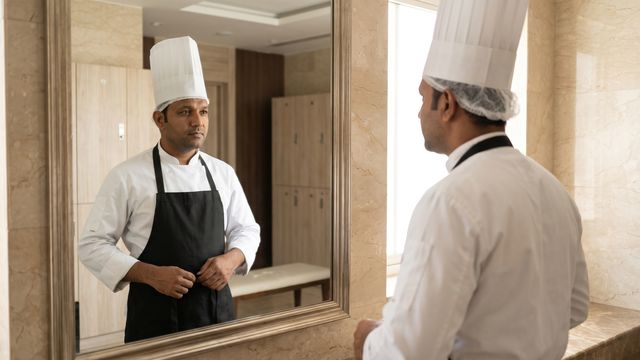
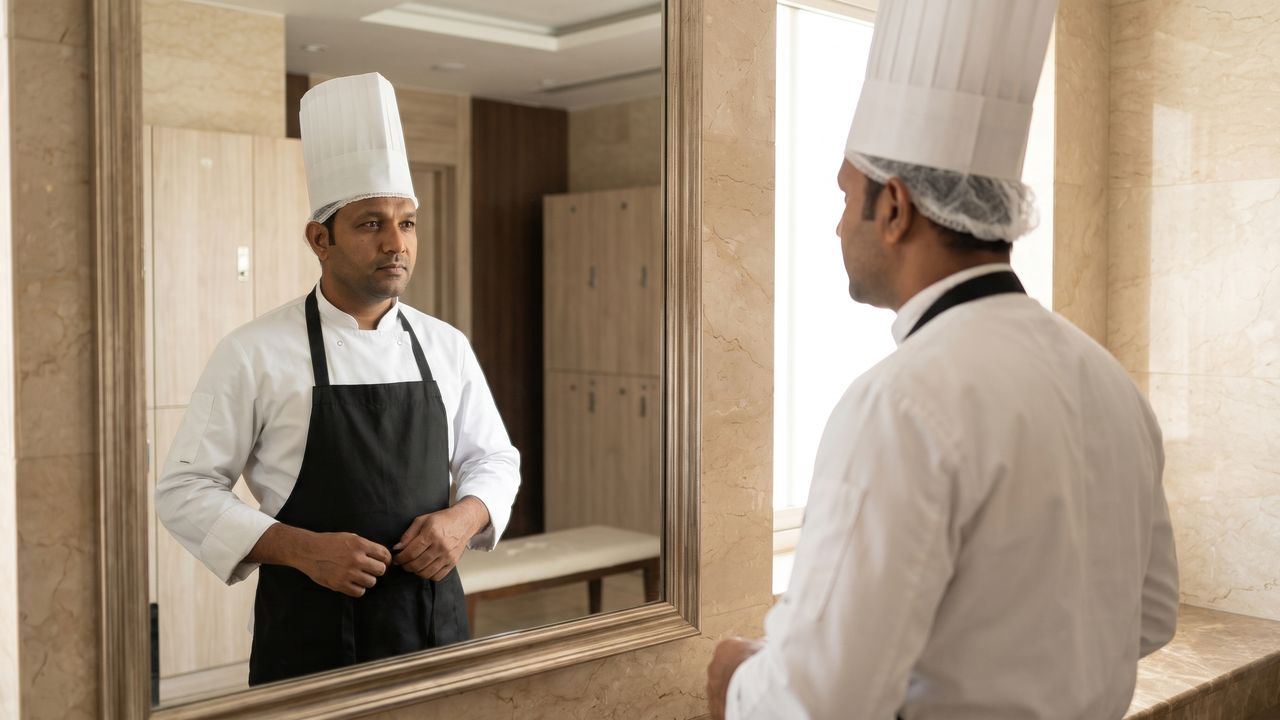
Before coming into the kitchen, wear a clean uniform, apron and cap or hairnet. Nails should be short and clean, and take off rings, watches and bangles because germs live in them.kitchen میں آنے سے پہلے صاف uniform، apron اور cap یا hairnet پہنیں۔ ناخن چھوٹے اور صاف ہوں، اور انگوٹھی، گھڑی یا چوڑیاں اتار دیں کیونکہ ان میں جراثیم رہتے ہیں۔
0:43
Washing hands is the most important task. Wash your hands, between the fingers and the nails with soap for at least twenty seconds, then dry them with a disposable tissue. The hand-wash sink should be separate.ہاتھ دھونا سب سے اہم کام ہے۔ صابن سے کم از کم بیس سیکنڈ ہاتھ، انگلیوں کے بیچ اور ناخن دھوئیں، پھر disposable tissue سے خشک کریں۔ ہاتھ دھونے کا sink الگ ہو۔
0:59
Wash your hands every time: when entering the kitchen, after the toilet, after touching raw meat, after handling rubbish, after touching your nose or hair, and after using the phone.ہاتھ ہر بار دھوئیں: kitchen میں آتے وقت، toilet کے بعد، کچا گوشت چھونے کے بعد، کوڑا اٹھانے کے بعد، ناک یا بالوں کو ہاتھ لگانے کے بعد، اور phone استعمال کرنے کے بعد۔
1:12
If you have a cut on your hand, cover it with a blue waterproof plaster and wear a glove over it. Blue, so that if the plaster falls into the food it is seen at once.ہاتھ پر زخم ہو تو اسے نیلے رنگ کی waterproof پٹی سے ڈھانپیں اور اوپر glove پہنیں۔ نیلا رنگ اس لیے کہ اگر پٹی کھانے میں گر جائے تو فوراً نظر آ جائے۔
1:24
Always keep raw and cooked food separate. In the fridge, keep cooked food covered on the upper shelves, and raw meat at the very bottom, so its juice does not drip onto cooked food.کچا اور پکا ہوا کھانا ہمیشہ الگ رکھیں۔ fridge میں پکا ہوا کھانا اوپر والے خانوں میں ڈھک کر، اور کچا گوشت سب سے نیچے، تا کہ اس کا پانی پکے کھانے پر نہ ٹپکے۔
1:38
Use chopping boards by colour: red for raw meat and chicken, blue for fish, green for vegetables and salad, yellow for cooked meat, and white for bread and dairy. Check your own kitchen's chart.chopping boards رنگ کے حساب سے استعمال کریں: لال کچے گوشت اور chicken کے لیے، نیلا مچھلی کے لیے، سبز سبزی اور salad کے لیے، پیلا پکے ہوئے گوشت کے لیے، اور سفید روٹی اور dairy کے لیے۔ اپنے kitchen کا chart دیکھیں۔
1:54
After cutting raw meat, never cut salad with the same knife or board. Salad is not cooked, so any germs on it go straight into the guest's stomach.کچا گوشت کاٹنے کے بعد اسی چھری یا board سے salad کبھی نہ کاٹیں۔ salad پکتا نہیں، اس لیے اس میں گئے جراثیم سیدھے guest کے پیٹ میں جاتے ہیں۔
2:07
Germs grow fastest in lukewarm food. This is called the danger zone, roughly between five and sixty degrees Celsius. Keep food either hotter than sixty degrees or colder than five degrees.جراثیم نیم گرم کھانے میں سب سے تیزی سے بڑھتے ہیں۔ اسے danger zone کہتے ہیں، یعنی تقریباً پانچ سے ساٹھ degree Celsius کے درمیان۔ کھانا یا تو ساٹھ degree سے زیادہ گرم رکھیں یا پانچ degree سے ٹھنڈا۔
2:22
Do not leave cooked food out for more than two hours. To cool leftover food quickly, put it in shallow containers and then into the fridge. On the buffet, keep food in hot chafing dishes.پکا ہوا کھانا دو گھنٹے سے زیادہ باہر نہ چھوڑیں۔ بچا ہوا کھانا جلد ٹھنڈا کرنے کے لیے کم گہرے برتنوں میں ڈالیں اور پھر fridge میں رکھیں۔ buffet پر کھانا گرم chafing dishes میں رکھیں۔
2:37
Cook meat and chicken well; the inside temperature should be at least seventy-five degrees. If there is no thermometer, check that the chicken is not pink inside. Reheat leftover food only once, until it is fully boiling hot.گوشت اور chicken اچھی طرح پکائیں، اندر کا temperature کم از کم پچھتر degree ہو۔ thermometer نہ ہو تو دیکھیں کہ chicken اندر سے گلابی نہ ہو۔ بچا ہوا کھانا صرف ایک بار، اور پوری طرح کھولتا ہوا گرم کریں۔
2:55
Follow First In First Out in the store and fridge. Stock that came in first is used first. Put new stock at the back and old stock in front.store اور fridge میں First In First Out پر عمل کریں۔ جو سامان پہلے آیا، وہ پہلے استعمال ہو۔ نیا سامان پیچھے رکھیں اور پرانا آگے۔
3:08
Put a label on every prepared or opened item: the item name, the date it was prepared, and the date to use it by. If the date has passed, throw it away without tasting it.ہر بنے ہوئے یا کھلے ہوئے سامان پر label لگائیں: چیز کا نام، تیار ہونے کی تاریخ، اور کب تک استعمال کرنا ہے۔ تاریخ گزر جائے تو چکھے بغیر ضائع کر دیں۔
3:21
The fridge should be below five degrees and the freezer at minus eighteen degrees. Check the temperature every shift and write it in the register. Thaw frozen meat in the fridge, not at room temperature.fridge پانچ degree سے نیچے اور freezer منفی اٹھارہ degree پر ہو۔ ہر shift میں temperature check کر کے register میں لکھیں۔ frozen گوشت fridge میں پگھلائیں، کمرے کے temperature پر نہیں۔
3:36
After every job, clean and sanitise the counter. There is a cleaning schedule: some things after every use, some daily, and some weekly, such as deep cleaning of the hood and floor.ہر کام کے بعد counter صاف کر کے sanitise کریں۔ صفائی کا ایک schedule ہوتا ہے: کچھ چیزیں ہر استعمال کے بعد، کچھ روزانہ، اور کچھ ہفتہ وار، جیسے hood اور فرش کی گہری صفائی۔
3:51
Sign on the schedule next to each job that is done. The chef should look at this chart every day. A food authority inspector can come at any time, so the kitchen should stay at this standard at all times.جو کام کیا جائے، اس کے سامنے schedule پر sign کریں۔ chef ہر روز یہ chart دیکھے۔ food authority کا inspector کسی بھی وقت آ سکتا ہے، اس لیے kitchen ہر وقت اسی معیار پر رہے۔
4:06
Rubbish bins should always have lids and open with a foot pedal. Take the rubbish out several times a day, and wash the bins daily.کوڑے دان ہمیشہ ڈھکن والے ہوں اور pedal سے کھلیں۔ کوڑا دن میں کئی بار باہر نکالیں، اور bins روزانہ دھوئیں۔
4:17
Insects and rats spread disease. Doors should have mesh, holes should be sealed, food should be covered, and pest control should be done regularly. If you see any sign, tell the chef at once.کیڑے مکوڑے اور چوہے بیماریاں پھیلاتے ہیں۔ دروازوں پر جالی ہو، سوراخ بند ہوں، کھانا ڈھکا ہو، اور pest control باقاعدگی سے ہو۔ کوئی نشان نظر آئے تو فوراً chef کو بتائیں۔
4:31
All our meat must be halal. When receiving goods, check the supplier's halal proof, freshness, temperature, expiry and packing. Return bad goods.ہمارا تمام گوشت halal ہونا ضروری ہے۔ سامان وصول کرتے وقت supplier کا halal ثبوت، تازگی، temperature، expiry اور packing check کریں۔ خراب سامان واپس کر دیں۔
4:45
If you have fever, vomiting, diarrhoea or a throat infection, do not work in the kitchen. Tell the chef before the shift. This is about the guests' safety, not yours.اگر آپ کو بخار، الٹی، اسہال یا گلے کا انفیکشن ہو تو kitchen میں کام نہ کریں۔ shift سے پہلے chef کو بتائیں۔ یہ آپ کی نہیں، guests کی حفاظت کا معاملہ ہے۔
4:59
Use a new spoon every time you taste food, and eating, smoking or talking on the phone in the kitchen is not allowed.کھانا چکھنے کے لیے ہر بار نیا چمچ استعمال کریں، اور kitchen میں کھانا، تمباکو نوشی یا phone پر بات کرنا منع ہے۔
5:10
Remember: a clean uniform, washing hands again and again, raw and cooked kept apart, colour-coded boards, avoiding the danger zone, First In First Out and labels, the cleaning schedule, and halal goods. Thank you!یاد رکھیں: صاف uniform، بار بار ہاتھ دھونا، کچا اور پکا الگ، رنگ والے boards، danger zone سے بچاؤ، First In First Out اور labels، صفائی کا schedule، اور halal سامان۔ شکریہ!