Module 3: Front office · Lesson 19 of 79 · 5:25 · Urdu
Handling complaints and service recovery
Join the waiting list
Log in
Free. We create your login and email it to you. All 79 lessons included.
What you will learn
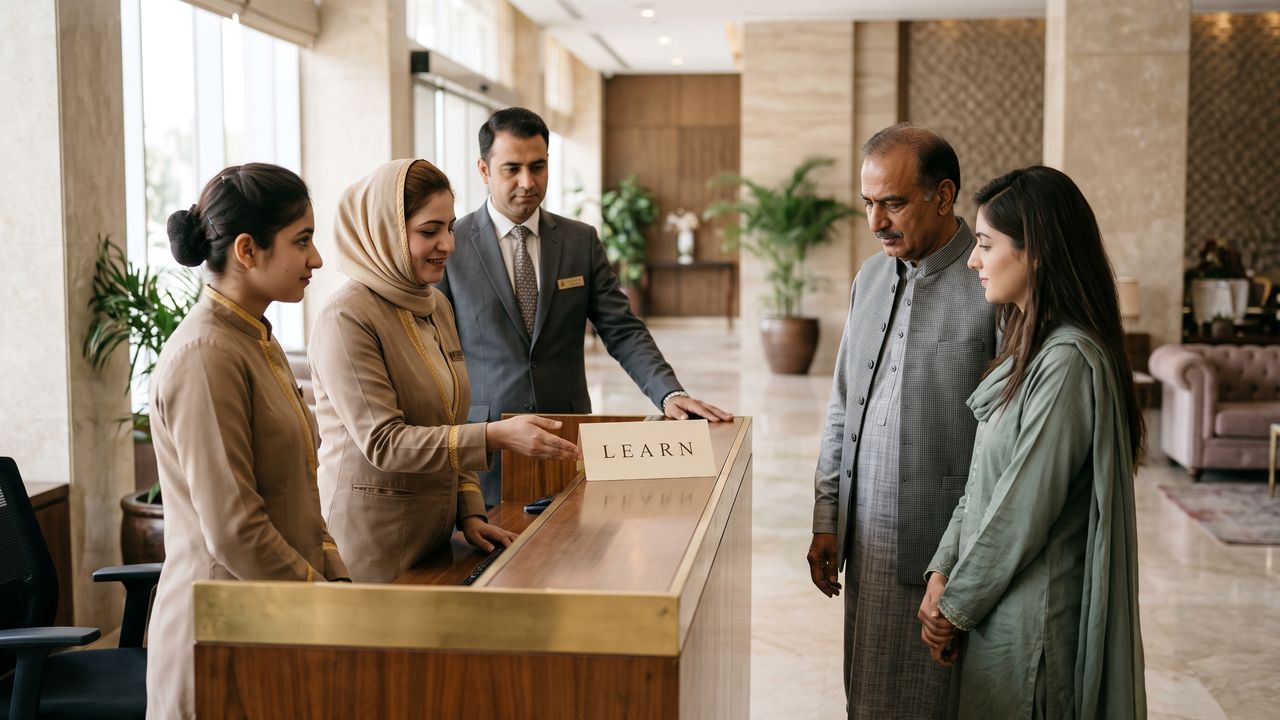
In this lesson you learn to apply the LEARN model (Listen, Empathise, Apologise, React/Resolve, Notify/follow up), stay calm and take ownership, offer compensation within authority, know when to call the duty manager, and log and follow up every complaint.
Chapters
- 0:00Introduction
- 0:29The LEARN method
- 0:45Listen, empathise, apologise
- 1:51Resolving common complaints
- 3:05Calling the Duty Manager
- 3:31Complaint log and follow-up
- 4:24Learning from complaints
Transcript
0:00
Assalam-o-Alaikum, welcome to front office training. In this video we will learn how to listen to and solve a guest's complaint, and how to turn an angry guest into a satisfied guest. This is called service recovery.السلام علیکم، front office training میں خوش آمدید۔ اس video میں ہم سیکھیں گے کہ guest کی شکایت کیسے سنیں اور حل کریں، اور ناراض guest کو مطمئن guest میں کیسے بدلیں۔ اسے service recovery کہتے ہیں۔
0:16
See a complaint as an opportunity, not a problem. A guest who complains is giving us a chance to put things right. A guest who leaves quietly does not come back, and tells others too.شکایت کو مسئلہ نہیں، موقع سمجھیں۔ جو guest شکایت کرتا ہے وہ ہمیں ٹھیک کرنے کا موقع دے رہا ہے۔ جو خاموشی سے چلا جائے، وہ دوبارہ نہیں آتا اور دوسروں کو بھی بتاتا ہے۔
0:29
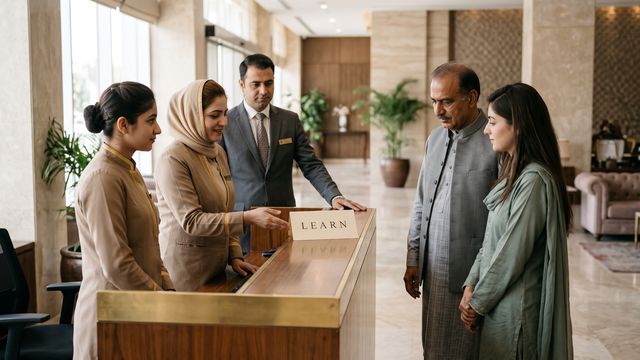
An easy way to handle a complaint is LEARN: Listen, Empathise, Apologise, React, which means solve it, and Notify, which means inform and follow up.شکایت سنبھالنے کا آسان طریقہ LEARN ہے: Listen یعنی سنیں، Empathise یعنی احساس کریں، Apologise یعنی معذرت کریں، React یعنی حل کریں، اور Notify یعنی اطلاع اور follow up۔
0:45
The first step is Listen. Let the guest say everything; do not interrupt. Make eye contact, nod to show you are listening, and note down the important points.پہلا قدم Listen۔ guest کو پوری بات کہنے دیں، بیچ میں نہ ٹوکیں۔ آنکھ ملائیں، سر ہلا کر بتائیں کہ آپ سن رہے ہیں، اور اہم باتیں نوٹ کریں۔
0:57
If the guest is speaking loudly, keep your own voice low. If possible, gently take them to a quiet corner of the lobby, so other guests are not disturbed.اگر guest اونچی آواز میں بات کر رہا ہو تو آپ آواز نیچی رکھیں۔ ممکن ہو تو اسے نرمی سے lobby کے پرسکون کونے میں لے جائیں، تا کہ دوسرے guests پریشان نہ ہوں۔
1:09
The second step is Empathise. Understand the guest's feelings and say: I can understand, having this problem in the room after a long journey is really upsetting.دوسرا قدم Empathise۔ guest کے جذبات کو سمجھیں اور کہیں: میں سمجھ سکتا ہوں، لمبے سفر کے بعد room میں یہ مسئلہ ہونا واقعی پریشان کن ہے۔
1:23
The third step is Apologise. Apologise sincerely: We are very sorry you had this trouble. Do not say: you must have felt that way. An apology is not admitting your own fault; it is accepting the guest's trouble.تیسرا قدم Apologise۔ دل سے معذرت کریں: ہمیں بہت افسوس ہے کہ آپ کو یہ تکلیف ہوئی۔ یہ نہ کہیں کہ آپ کو ایسا لگا ہو گا۔ معذرت اپنی غلطی ماننا نہیں، guest کی تکلیف ماننا ہے۔
1:38
Never argue, do not try to prove the guest wrong, and do not blame another department or a colleague. For the guest, you are the hotel. Say: I will look into this myself.کبھی بحث نہ کریں، guest کو غلط ثابت نہ کریں، اور کسی دوسرے department یا ساتھی پر الزام نہ لگائیں۔ guest کے لیے آپ ہی hotel ہیں۔ کہیں: میں خود اس کو دیکھتا ہوں۔
1:51
The fourth step is React, or Resolve. Ask the guest what they want, then tell them the solution and the time, for example: a technician will reach your room in ten minutes. Keep every promise you make.چوتھا قدم React یا Resolve۔ guest سے پوچھیں کہ وہ کیا چاہتا ہے، پھر حل اور وقت بتائیں، مثلاً: technician دس منٹ میں آپ کے room پہنچ جائے گا۔ جو وعدہ کریں، پورا کریں۔
2:07
Example: a guest says the room is noisy and they cannot sleep. If someone nearby is making noise, send security or the Duty Manager; otherwise check the PMS and offer a move to a quieter room.مثال: guest کہے کہ room میں شور ہے اور سو نہیں سکتا۔ قریب کوئی شور کر رہا ہو تو security یا Duty Manager کو بھیجیں، ورنہ PMS میں دیکھ کر پرسکون room میں منتقلی کی offer کریں۔
2:21
Another example: the AC is not working. Give engineering a job at once. If it cannot be fixed soon, give the guest another room and have a bell boy move the luggage.دوسری مثال: AC کام نہیں کر رہا۔ فوراً engineering کو job دیں۔ اگر جلد ٹھیک نہ ہو سکے تو guest کو دوسرا room دیں اور bell boy سے سامان منتقل کروائیں۔
2:35
A third example: a wrong charge on the bill. Check the folio in front of the guest; if there is a mistake, correct it at once and apologise. If the charge is right, show the signed bill and explain politely.تیسری مثال: bill میں غلط charge۔ guest کے سامنے folio check کریں، غلطی ہو تو فوراً درست کریں اور معذرت کریں۔ اگر charge صحیح ہو تو signed bill دکھا کر نرمی سے وضاحت کریں۔
2:51
Sometimes it is better to do something extra along with solving the problem, such as free tea, a dessert, late check-out or a room upgrade. But give only what you are authorised to give.کبھی کبھی مسئلہ حل کرنے کے ساتھ کچھ اضافی کرنا بہتر ہوتا ہے، جیسے مفت چائے، dessert، late check-out یا room upgrade۔ لیکن صرف وہی دیں جس کی آپ کو اجازت ہے۔
3:05
If the matter is beyond your authority, such as a big concession, a guest safety or health issue, or a very angry guest, call the Duty Manager at once and tell the guest the manager is coming.اگر معاملہ آپ کے اختیار سے باہر ہو، جیسے بڑی رعایت، guest کی حفاظت یا صحت کا مسئلہ، یا guest بہت ناراض ہو، تو فوراً Duty Manager کو بلائیں، اور guest کو بتائیں کہ manager آ رہا ہے۔
3:19
Brief the manager in front of the guest, so the guest does not have to tell the story again. Having to repeat the same thing again and again annoys a guest the most.manager کو guest کے سامنے پوری بات مختصراً بتائیں، تا کہ guest کو اپنی کہانی دوبارہ نہ سنانی پڑے۔ ایک ہی بات بار بار بتانا guest کو سب سے زیادہ ناگوار لگتا ہے۔
3:31
The fifth step is Notify. Inform the department concerned, and write every complaint in the complaint log: what the problem was, what was done, who did it, and what concession was given.پانچواں قدم Notify۔ متعلقہ department کو اطلاع دیں، اور ہر شکایت complaint log میں لکھیں: کیا مسئلہ تھا، کیا کیا گیا، کس نے کیا، اور کیا رعایت دی گئی۔
3:45
This record is very important. From it the manager can see which problem keeps coming back, and if the same guest returns we can take care in advance.یہ record بہت اہم ہے۔ اس سے manager دیکھ سکتا ہے کہ کون سا مسئلہ بار بار آ رہا ہے، اور وہی guest دوبارہ آئے تو ہم پہلے سے احتیاط کر سکتے ہیں۔
3:57
After the problem is solved, follow up. After a while, call the guest and ask: Sir, is the AC working properly now? Do you need anything else?مسئلہ حل ہونے کے بعد follow up کریں۔ کچھ دیر بعد guest کو call کر کے پوچھیں: سر، کیا اب AC ٹھیک کام کر رہا ہے؟ کیا آپ کو کسی اور چیز کی ضرورت ہے؟
4:11
This follow-up is what turns an angry guest into a loyal guest. Experience shows that a guest whose complaint is solved well often praises the hotel more than an ordinary guest.یہی follow up ناراض guest کو وفادار guest بنا دیتا ہے۔ تجربہ بتاتا ہے کہ جس guest کی شکایت اچھی طرح حل ہو، وہ اکثر عام guest سے زیادہ hotel کی تعریف کرتا ہے۔
4:24
Complaints in online reviews are also answered. Usually the manager does this, but the front desk should tell them what the guest was unhappy about.online reviews پر آنے والی شکایات کا بھی جواب دیا جاتا ہے۔ عام طور پر یہ manager کرتا ہے، مگر front desk کو بتانا چاہیے کہ guest کس بات پر ناراض تھا۔
4:35
Talking to an angry guest is not easy. Do not take it personally. The guest is angry with the problem, not with you. Stay calm and meet the next guest with a fresh smile.ناراض guest سے بات کرنا آسان نہیں۔ اسے ذاتی نہ لیں۔ guest آپ سے نہیں، مسئلے سے ناراض ہے۔ پرسکون رہیں اور اگلے guest سے نئی مسکراہٹ کے ساتھ ملیں۔
4:49
Every week in the team briefing, discuss past complaints so everyone learns and the same mistake does not happen again. A complaint that keeps coming back shows that a process needs fixing.ہر ہفتے team briefing میں پچھلی شکایات پر بات کریں، تا کہ سب سیکھیں اور وہی غلطی دوبارہ نہ ہو۔ بار بار آنے والی شکایت بتاتی ہے کہ کوئی process ٹھیک کرنا ہے۔
5:02
Remember LEARN: listen, empathise, apologise, solve, and follow up. No arguing, no blaming, only solutions. Every complaint is a chance to improve. Thank you!یاد رکھیں: LEARN، یعنی سنیں، احساس کریں، معذرت کریں، حل کریں اور follow up کریں۔ بحث نہیں، الزام نہیں، صرف حل۔ ہر شکایت بہتری کا موقع ہے۔ شکریہ!
Module 3
Front office
 11. Front office organisation and the guest cycle
5:23
 12. Preparing for tomorrow's arrivals
5:13
 13. Checking in a guest
4:47
 14. Guest ID, foreign guests and privacy
5:14
 15. Guest requests during the stay
5:06
 16. Telephone etiquette
5:11
 17. Bell desk and concierge
5:32
 18. Check-out and bill settlement
5:23
 19. Handling complaints and service recovery
5:25
 20. Cash handling and closing a shift
5:22
 21. Night audit
5:29