Module 12: Continental kitchen · Lesson 79 of 79 · 5:27 · English
Plating, garnish and the pass
Join the waiting list
Log in
Free. We create your login and email it to you. All 79 lessons included.
Transcript
0:00
Welcome to the chef course. In this final video you will learn plating, garnish and the pass: how to send every plate out of the kitchen looking beautiful, matching the order exactly, and properly hot.
0:14
The guest eats with the eyes first. The same dish looks cheap on a messy plate and special on a clean one. The pass is the last checkpoint; after it, any mistake goes straight to the guest.
0:28
Choose the plate to suit the dish: not so small that the food reaches the rim, and not so large that it looks empty. Hot food goes on a warm plate, and salad or dessert on a chilled one.
0:41
Many kitchens use the clock rule: the main item, such as the steak, at six o'clock, nearest the guest; rice or potato at ten or eleven o'clock; and vegetables at two o'clock. Keep the same layout on every plate.
0:57
Give the plate one focal point that draws the eye. Build a little height instead of laying everything flat. Odd numbers of pieces, three or five, look more natural than even numbers on the plate.
1:10
Mix the colours: green, red and golden. White chicken, white sauce and white rice on one plate look lifeless. Do not spread the food to the edge; the rim of the plate always stays empty and clean.
1:24
Put the sauce under or beside the food, never poured over everything, or it hides the grill marks and the colours. Make a clean line with a squeeze bottle or the back of a spoon, and serve extra sauce in a jug.
1:38
A garnish must be edible and must belong to the dish: lemon with fish, fresh coriander on soup. Do not put the same parsley sprig on every plate, and never add anything the guest cannot eat.
1:52
Every plate carries the quantity on the recipe card, no more and no less. Use the scale, the ladle and the portion scoop. A small portion upsets the guest, and a large one is a loss for the hotel.
2:07
In the PMS every dish has a recipe: which ingredients, in what quantity, the total recipe cost, the menu price and the margin. If 50 extra grams go onto the plate, that margin shrinks with every single plate you send.
2:21
Keep a standard photo of each dish pinned at its station, and compare your plate with it before it goes. That way the morning and night shift cooks plate the same way, and the guest gets the same dish every time.
2:35
The pass is where finished plates wait for the waiter. One person, usually the head chef or the sous chef, stands here as the expo: the link between the kitchen and the restaurant floor.
2:48
The expo reads each order and calls it out to the stations, for example: table five, two chicken steaks, one pepper steak medium well. The station answers, yes chef. That way no order is ever lost.
3:03
The expo also manages the timing, so all the plates for one table are ready together. Whatever cooks longest starts first, and fish or pasta goes on later, as you saw in the grill video.
3:17
With a Kitchen Display, as soon as the order is posted on the POS, a card appears on the kitchen screen: the table, the guest's name, the waiter, the items, and notes such as allergies in orange.
3:30
Press Start when you begin, Ready when the plate is on the pass, and Bump when the waiter takes it. The clock on the card keeps running; for example it turns yellow at eight minutes and red at fifteen.
3:44
Before any plate leaves, check it against the order: the right dish, the right table, and any special request, such as no onion or well done. The expo personally checks every allergy plate and tells the waiter separately.
3:59
Hot food goes out hot and cold food goes out cold. The heat lamp is for a few moments only, not a place for food to wait. A plate sitting on the pass dries out and goes cold.
4:12
The last job: wipe the rim of the plate with a clean damp cloth or paper, removing any sauce drips and fingerprints. That cloth is for plates only, never the one used on the counter.
4:26
Tell the waiter which plate goes to which guest, and which sauce goes with it. The waiter sets the plate down so the main item faces the guest. The details of service are in the restaurant service video.
4:39
If a dish comes back, there is no argument. The expo listens to the reason, has a fresh plate made ahead of everything else, and tells the chef. For a hair or a foreign object in food, follow the separate video.
4:54
When service ends, clean and sanitise the pass, then spend two minutes with the team: which plate went out late, what came back, and what to do better tomorrow. Small daily fixes make a great kitchen.
5:08
Remember: the right warm plate, one focal point and some height, colour, a clean empty rim, an edible garnish, the quantity on the recipe, and every plate checked at the pass. Your plate is the hotel's signature. Thank you.
Module 12
Continental kitchen
 71. Soups: chicken corn, cream of mushroom / chicken, and tomato
5:43
 72. Salads and dressings: Caesar, Russian, garden salad and coleslaw
5:53
 73. Sandwiches: club sandwich, grilled chicken sandwich and cheese sandwich
5:43
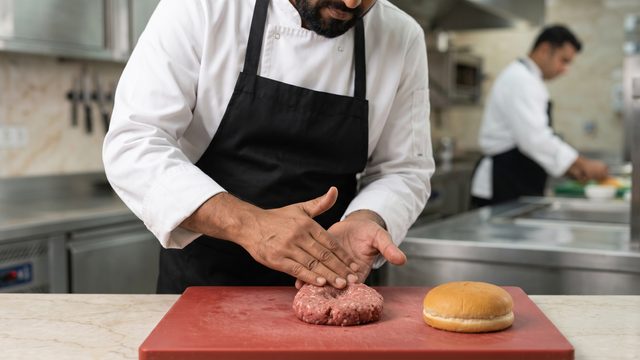 74. Burgers and fries: beef burger, crispy chicken burger and double-fried chips
5:45
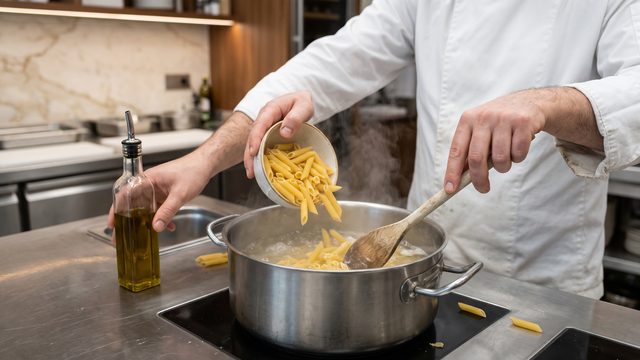 75. Pasta: al dente, Alfredo, arrabbiata and mac and cheese
5:36
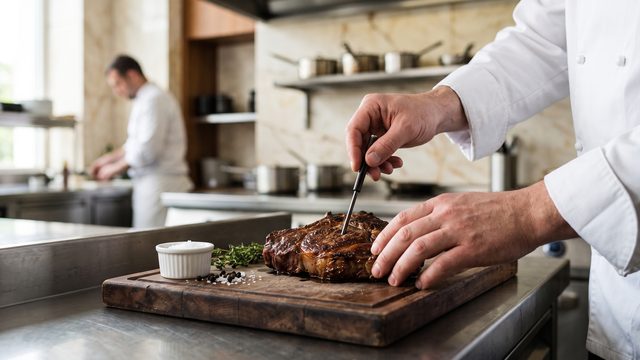 76. Grills: chicken steak with mushroom sauce, pepper steak, grilled fish and doneness
5:40
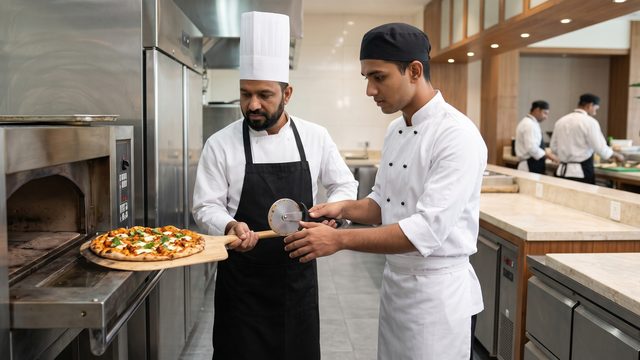 77. Pizza basics: dough, sauce, toppings and baking
5:20
 78. Simple desserts: caramel custard, brownie, fruit trifle and ice cream service
5:41
 79. Plating, garnish and the pass
5:27